
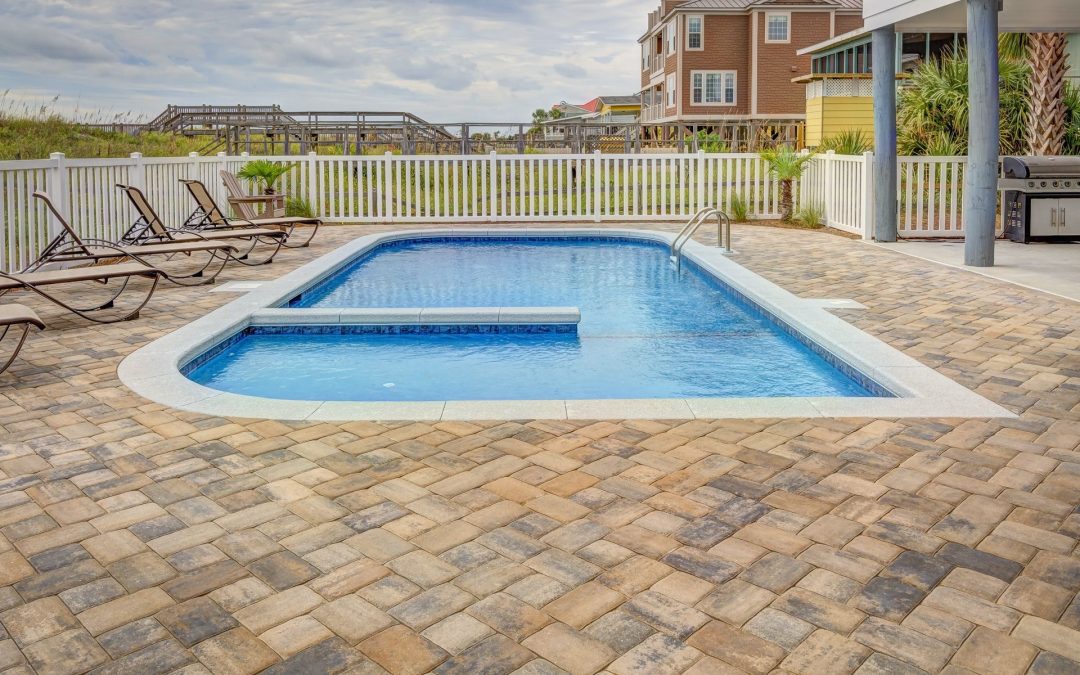
Adding a swimming pool is one of the most exciting ways to transform your outdoor space. Whether you dream of relaxing on sunny afternoons, hosting family gatherings, or creating a place for fitness and recreation, the right pool design can enhance both your lifestyle and your property’s appeal. However, with so many styles, shapes, and features available, making the right choice can feel overwhelming.
If you’re wondering how to choose the right pool design, the key is balancing aesthetics, functionality, budget, and the unique characteristics of your backyard. A well-planned pool should fit naturally into your landscape while meeting your family’s needs for years to come.
According to the National Association of Realtors (NAR), outdoor living features remain highly desirable among homeowners, and thoughtfully designed outdoor spaces can increase both enjoyment and overall property appeal.
Let’s walk through the most important factors to consider before building your dream pool.
Start with Your Goals
Before looking at pool shapes or finishes, think about how you’ll actually use the pool.
Ask yourself questions like:
- Will the pool be mainly for relaxation?
- Do you plan to swim laps for exercise?
- Will children use the pool regularly?
- Do you enjoy entertaining guests?
- Are you looking for a luxury backyard centerpiece?
Your answers will guide nearly every design decision that follows.
One of the first steps in understanding how to choose the right pool design is defining its primary purpose.
Evaluate Your Backyard Space
Every yard has unique characteristics that influence pool design.
Consider factors such as:
- Yard size
- Property shape
- Existing landscaping
- Sun exposure
- Drainage
- Utility lines
- Local building setbacks
A professional site evaluation can help identify the best location while avoiding costly surprises during construction.
Choose the Right Pool Shape
Pool shape has a major impact on both appearance and functionality.
Some popular options include:
Rectangular Pools
Perfect for modern homes, lap swimming, and clean architectural lines.
Freeform Pools
Feature natural curves that blend beautifully with landscaped gardens.
Geometric Pools
Offer symmetrical shapes that complement contemporary and minimalist designs.
L-Shaped Pools
Provide separate areas for recreation and swimming.
The best shape depends on your available space and overall landscape design.
Select the Appropriate Pool Size
Bigger isn’t always better.
A pool should leave enough room for:
- Patios
- Outdoor seating
- Landscaping
- Walkways
- Safety fencing
Think about how many people will typically use the pool while avoiding designs that overwhelm your backyard.
A balanced layout often creates a more enjoyable outdoor living area.
Decide Between Inground and Above-Ground Pools
Most permanent backyard designs feature inground pools, but above-ground options may suit certain budgets or properties.
Inground pools generally offer:
- Greater design flexibility
- Longer lifespan
- Higher visual appeal
- Better integration with landscaping
Above-ground pools often have:
- Lower installation costs
- Faster installation
- Easier removal if needed
Choose the option that aligns with your long-term plans.
Think About Pool Depth
Depth affects both safety and functionality.
Consider who will use the pool most often.
Families with young children often prefer larger shallow areas, while avid swimmers may appreciate deeper sections.
Many homeowners choose varying depths to accommodate different activities.
Pick Durable Finishes
Pool finishes influence both appearance and maintenance.
Common finish options include:
- Plaster
- Pebble finishes
- Quartz surfaces
- Glass bead finishes
Each material offers different textures, durability levels, and maintenance requirements.
Choosing quality materials helps ensure your pool remains attractive for many years.
Plan the Surrounding Deck Area
The area around your pool is just as important as the pool itself.
Include space for:
- Lounge chairs
- Outdoor dining
- Umbrellas
- Fire pits
- Shade structures
- Walking paths
A comfortable deck transforms the pool into a complete outdoor living space.
Incorporate Landscaping
Plants soften hard surfaces while creating a relaxing atmosphere.
Consider adding:
- Palm trees
- Ornamental grasses
- Flowering shrubs
- Privacy hedges
- Native plants
- Decorative planters
Choose plants that produce minimal leaf litter to reduce pool maintenance.
Landscaping also helps integrate the pool naturally into your backyard.
Think About Safety Features
Safety should always be part of your pool design.
Important features include:
- Secure fencing
- Self-closing gates
- Pool covers
- Slip-resistant decking
- Adequate lighting
- Clearly marked depth changes
Planning these elements from the beginning creates a safer environment for everyone.
Add Features That Match Your Lifestyle
Today’s pools can include many optional upgrades.
Popular features include:
- Waterfalls
- Bubblers
- Tanning ledges
- Built-in spas
- LED lighting
- Swim-up seating
- Baja shelves
Choose features you’ll actually use rather than adding unnecessary extras.
Learning how to choose the right pool design often means focusing on quality over quantity.
Consider Long-Term Maintenance
Every pool requires ongoing care.
Before making final decisions, think about:
- Cleaning requirements
- Filtration systems
- Water treatment
- Energy costs
- Seasonal maintenance
Simple designs are often easier and less expensive to maintain over time.
Energy-efficient pumps and modern filtration systems can also help reduce operating costs.
Stay Within Your Budget
Pool projects involve more than construction costs.
Remember to budget for:
- Landscaping
- Decking
- Lighting
- Fencing
- Permits
- Maintenance equipment
- Future repairs
Setting a realistic budget early helps avoid difficult decisions later in the project.
Work with Experienced Professionals
Building a pool is a significant investment.
Take time to:
- Research contractors
- Read customer reviews
- Review previous projects
- Request detailed estimates
- Verify licensing where required
Experienced professionals can help identify design opportunities and avoid common mistakes.
Create a Timeless Design
Design trends come and go, but timeless pools remain attractive for decades.
Neutral colors, clean lines, durable materials, and balanced landscaping often age better than highly trendy designs.
A timeless pool complements your home while maintaining lasting appeal.
Final Thoughts
Learning how to choose the right pool design starts with understanding your goals, evaluating your outdoor space, and planning for both beauty and practicality. The ideal pool should reflect your lifestyle while fitting naturally into your property’s layout and budget.
By considering factors such as shape, size, materials, landscaping, safety, and long-term maintenance, you’ll create an outdoor space that delivers enjoyment for years to come. Whether your vision is a peaceful retreat or a family-friendly gathering place, thoughtful planning ensures your investment becomes one of your home’s most rewarding features.
With careful preparation and expert guidance, your backyard can become the perfect destination for relaxation, recreation, and unforgettable memories.