
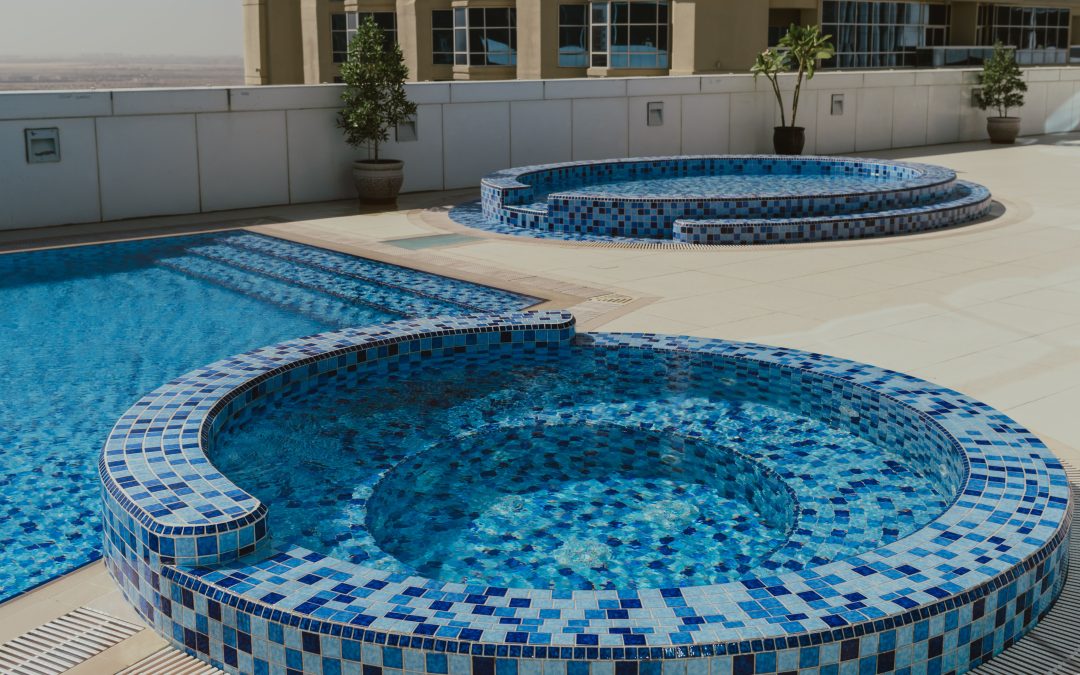
Few home improvements are as exciting as adding a swimming pool. A well-designed pool can create a relaxing retreat, provide endless family entertainment, and enhance your outdoor living space. On hot summer days, having your own backyard pool can feel like a luxury that transforms everyday life.
At the same time, building a pool is a major investment that requires careful planning. From choosing the right design to understanding maintenance responsibilities, there are many factors to consider before construction begins.
If you are researching what to know before building a swimming pool, taking the time to understand the process can help you avoid costly mistakes and make confident decisions. This guide covers the most important things every homeowner should know before diving into a pool project.
Understand Your Goals for the Pool
Before contacting contractors or comparing designs, think about how you plan to use the pool.
Ask yourself:
- Will it be used mainly for recreation?
- Do you want a space for exercise and lap swimming?
- Will you host parties and gatherings?
- Is the pool primarily for children and family activities?
- Are you looking to create a luxury backyard retreat?
Your answers will influence the pool’s size, shape, depth, and features.
For example, a family-focused pool may prioritize shallow areas and safety features, while an exercise pool may require a longer design for swimming laps.
Establish a Realistic Budget
One of the most important aspects of what to know before building a swimming pool is understanding the total cost.
Many homeowners focus only on the initial construction price, but additional expenses often include:
- Permits
- Landscaping
- Fencing
- Pool decking
- Lighting
- Water features
- Maintenance equipment
- Ongoing operating costs
According to industry reports, maintenance, energy use, and seasonal upkeep should be considered as part of the long-term investment.
Creating a comprehensive budget helps prevent surprises later in the project.
Choose the Right Pool Type
There are several common types of residential pools, each with unique advantages.
Concrete Pools
Concrete pools offer maximum customization in shape, size, and design.
Benefits include:
- Highly customizable
- Durable construction
- Premium appearance
However, they often require longer installation times and higher maintenance.
Fiberglass Pools
Fiberglass pools arrive as pre-manufactured shells.
Advantages include:
- Faster installation
- Smooth surface
- Lower maintenance requirements
Design options may be more limited compared to concrete pools.
Vinyl Liner Pools
Vinyl liner pools are often more budget-friendly.
Benefits include:
- Lower initial cost
- Flexible designs
- Comfortable surface
The liner may eventually need replacement as it ages.
Selecting the right type depends on your budget, preferences, and long-term goals.
Evaluate Your Backyard Space
Not every yard is automatically suitable for a swimming pool.
Before finalizing plans, consider:
- Available space
- Property boundaries
- Existing landscaping
- Utility lines
- Slopes and grading
- Drainage conditions
A professional site evaluation can identify potential challenges before construction begins.
Understanding your property’s limitations is an essential part of learning what to know before building a swimming pool.
Research Local Regulations and Permits
Most pool projects require permits and inspections.
Requirements vary depending on location but may include:
- Building permits
- Electrical permits
- Plumbing permits
- Safety barrier requirements
- Drainage regulations
Many municipalities also require fencing around residential pools for safety reasons.
Working with an experienced contractor can help ensure compliance with local regulations and avoid costly delays.
Prioritize Safety Features
Safety should always be part of the planning process.
The Consumer Product Safety Commission emphasizes the importance of multiple layers of protection around residential pools.
Consider features such as:
- Pool fencing
- Self-closing gates
- Pool covers
- Alarms
- Non-slip decking
- Clearly marked depths
If children or pets will have access to the yard, these measures become even more important.
A safe pool environment protects both family members and visitors.
Think About Pool Placement
Where the pool is located can affect its functionality and maintenance needs.
Factors to consider include:
- Sun exposure
- Privacy
- Accessibility
- Wind conditions
- Nearby trees
Pools placed in sunny areas often maintain warmer water temperatures naturally.
Meanwhile, avoiding locations directly beneath large trees can reduce leaf debris and maintenance requirements.
Careful placement can improve both enjoyment and efficiency.
Consider Long-Term Maintenance
Many homeowners focus heavily on design while overlooking maintenance responsibilities.
Pools require regular care, including:
- Water testing
- Chemical balancing
- Skimming debris
- Cleaning filters
- Equipment inspections
According to the Pool & Hot Tub Alliance, consistent maintenance helps preserve water quality and extend equipment lifespan.
Before moving forward, be sure you understand the time and financial commitment involved in pool ownership.
Plan the Surrounding Landscape
A swimming pool should complement the rest of your outdoor space.
Think beyond the pool itself and consider:
- Patio areas
- Outdoor seating
- Shade structures
- Walkways
- Garden beds
- Lighting
A well-designed landscape can enhance the overall appearance and functionality of the pool area.
Many homeowners find that thoughtful landscaping helps create a cohesive backyard retreat.
Explore Energy-Efficient Options
Modern pool technology offers several ways to improve efficiency and reduce operating costs.
Popular options include:
- Variable-speed pumps
- LED lighting
- Solar heating systems
- Energy-efficient filtration equipment
- Automated controls
While some upgrades increase upfront costs, they may lower utility expenses over time.
Energy-efficient equipment can also reduce the environmental impact of pool ownership.
Choose Features Carefully
It can be tempting to include every available upgrade, but selecting features strategically often produces better results.
Popular pool features include:
- Waterfalls
- Bubblers
- Tanning ledges
- Spa areas
- Fire features
- Swim-up seating
Focus on features that align with how you plan to use the pool.
A thoughtful design often delivers more value than simply adding numerous extras.
Select a Qualified Pool Builder
The contractor you choose plays a major role in the project’s success.
When evaluating builders:
- Review previous projects
- Check references
- Read customer reviews
- Verify licensing and insurance
- Request detailed estimates
A reputable builder should communicate clearly and provide realistic timelines and expectations.
Taking time to research contractors can help prevent future problems.
Prepare for Construction Disruptions
Building a swimming pool is a significant construction project.
Depending on the pool type and site conditions, the process may involve:
- Excavation
- Heavy equipment
- Noise
- Temporary yard disruption
- Landscaping restoration
Understanding this in advance can help set realistic expectations.
Although construction can be inconvenient, the long-term benefits often make the temporary disruption worthwhile.
Consider Future Property Value
While a swimming pool should primarily serve your family’s lifestyle and enjoyment, it may also influence property value.
Buyer preferences vary by region and climate. In warmer areas, pools are often viewed as desirable amenities. In other locations, they may appeal to specific buyer groups.
Discussing local market trends with real estate professionals can provide useful insights if resale value is part of your decision-making process.
Conclusion
Understanding what to know before building a swimming pool can help you make informed decisions from the very beginning. From budgeting and site evaluation to safety planning and long-term maintenance, every step plays an important role in creating a successful pool project.
A swimming pool can become one of the most enjoyable features of your home, but the best results come from careful preparation. By planning thoughtfully, working with experienced professionals, and focusing on both functionality and safety, you can create an outdoor space that provides years of relaxation, recreation, and lasting memories.