
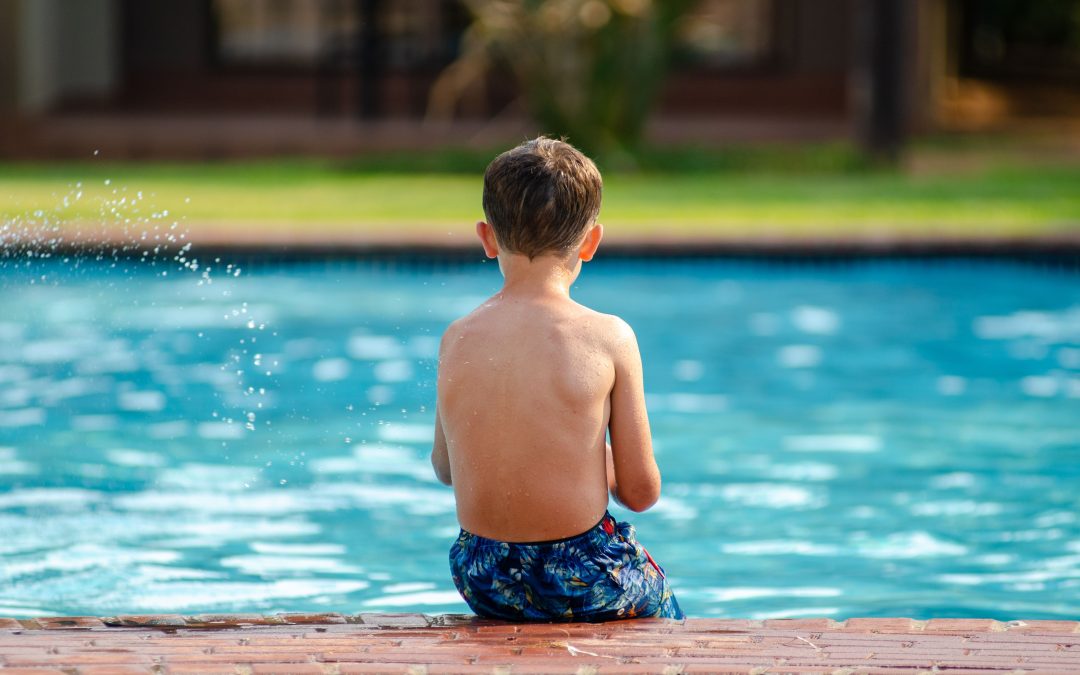
Installing a swimming pool is an exciting investment that adds fun, relaxation, and value to your home. Once construction is complete and the water is sparkling, the next step is learning how to keep it that way. Regular maintenance may seem intimidating at first, but with the right routine, it quickly becomes a simple part of homeownership.
If you’re wondering how to maintain a new swimming pool, the key is consistency. Small maintenance tasks performed regularly can prevent expensive repairs, extend the life of your pool equipment, and ensure the water stays clean and safe for everyone to enjoy.
According to the U.S. Centers for Disease Control and Prevention (CDC), maintaining proper water chemistry and filtration is essential for preventing the spread of recreational water illnesses. Keeping your pool balanced is not just about appearance because it also helps protect the health of swimmers.
Let’s look at the essential steps every new pool owner should know.
Learn the Basics of Pool Water Chemistry
Healthy pool water depends on maintaining the proper chemical balance.
The most important levels to monitor include:
- Chlorine
- pH
- Total alkalinity
- Calcium hardness
- Cyanuric acid for outdoor pools
Testing your water regularly helps you make small adjustments before larger problems develop.
Test the Water Frequently
One of the first lessons in how to maintain a new swimming pool is making water testing part of your routine.
For most residential pools, it’s recommended to:
- Test chlorine and pH several times each week.
- Check alkalinity and calcium hardness weekly or as recommended.
- Perform a more complete water analysis periodically.
Reliable test kits or digital water testers make monitoring much easier.
Run the Filtration System Daily
Your pool filter removes dirt, debris, and microscopic particles from the water.
Most pools benefit from running the filtration system long enough to circulate all of the water at least once each day. The exact run time depends on factors such as pool size, weather, and usage.
Clean water starts with proper circulation.
Skim Debris Every Day
Leaves, insects, and floating debris can quickly accumulate.
Using a handheld skimmer takes only a few minutes and helps:
- Improve water quality
- Reduce strain on the filter
- Prevent stains
- Keep the pool looking inviting
Daily skimming is one of the easiest maintenance tasks.
Brush Pool Walls and Steps
Even if your water appears clean, algae and dirt can begin collecting on surfaces.
Brush:
- Walls
- Steps
- Corners
- Waterline tiles
Regular brushing prevents buildup before it becomes difficult to remove.
Vacuum the Pool Regularly
Vacuuming removes dirt that settles on the pool floor.
Options include:
- Manual vacuums
- Automatic robotic cleaners
- Suction-side cleaners
- Pressure-side cleaners
Keeping the pool floor clean improves both appearance and water quality.
Clean the Pool Filter
A dirty filter cannot perform efficiently.
Depending on the type of filter, maintenance may involve:
- Backwashing
- Rinsing cartridges
- Replacing filter media when necessary
Always follow the manufacturer’s maintenance recommendations.
Maintain Proper Water Level
Water naturally evaporates, especially during hot weather.
Heavy rain can also raise the water level.
Ideally, the water should remain around the middle of the skimmer opening.
Proper water levels help the circulation system operate efficiently.
Shock the Pool When Needed
Pool shock involves adding a higher dose of sanitizer to eliminate contaminants.
Shocking may be recommended after:
- Heavy pool use
- Rainstorms
- Algae growth
- Cloudy water
Follow product instructions carefully to ensure safe application.
Watch for Early Warning Signs
Part of learning how to maintain a new swimming pool is recognizing problems before they become serious.
Watch for:
- Cloudy water
- Strong chlorine odor
- Green water
- Slippery walls
- Visible algae
- Air bubbles in the circulation system
Addressing these issues early usually makes corrections easier and less expensive.
Protect Your Pool Equipment
Your pump, filter, heater, and automation systems represent a significant investment.
Regularly inspect equipment for:
- Leaks
- Unusual noises
- Loose fittings
- Damaged seals
Routine inspections help prevent costly breakdowns.
Keep the Pool Deck Clean
A clean deck helps reduce debris entering the water.
Sweep away:
- Leaves
- Grass clippings
- Dirt
- Mulch
Cleaner surroundings mean less work for your filtration system.
Use a Pool Cover
A quality pool cover offers several benefits.
It can help:
- Reduce evaporation
- Keep debris out
- Retain heat
- Lower chemical consumption
Covering the pool when it’s not in use also simplifies routine maintenance.
Create a Weekly Maintenance Checklist
Staying organized makes pool care much easier.
A simple weekly checklist may include:
- Test water chemistry
- Empty skimmer baskets
- Brush walls
- Vacuum the pool
- Check equipment
- Clean the deck
- Inspect the filter
Consistent maintenance prevents larger problems from developing.
Understand Seasonal Changes
Weather affects pool maintenance throughout the year.
Hot summers may require:
- More frequent testing
- Additional sanitizer
- Longer filtration times
Storms can introduce debris and dilute pool chemicals.
Adjust your maintenance routine based on seasonal conditions.
Know When to Call a Professional
While most routine care can be handled by homeowners, some situations require expert attention.
Professional service may be needed for:
- Equipment repairs
- Persistent algae problems
- Water chemistry issues
- Leak detection
- Electrical concerns
Routine professional inspections can also help identify potential problems before they become expensive.
Conclusion
Learning how to maintain a new swimming pool doesn’t have to be overwhelming. By testing the water regularly, maintaining balanced chemistry, cleaning the pool consistently, inspecting equipment, and following a simple weekly routine, you can enjoy clean, safe water throughout the swimming season.
A well-maintained pool not only looks beautiful but also protects your investment and provides years of enjoyment for family and friends. With a little consistency and attention to detail, your new pool can remain a refreshing backyard centerpiece for many seasons to come.