
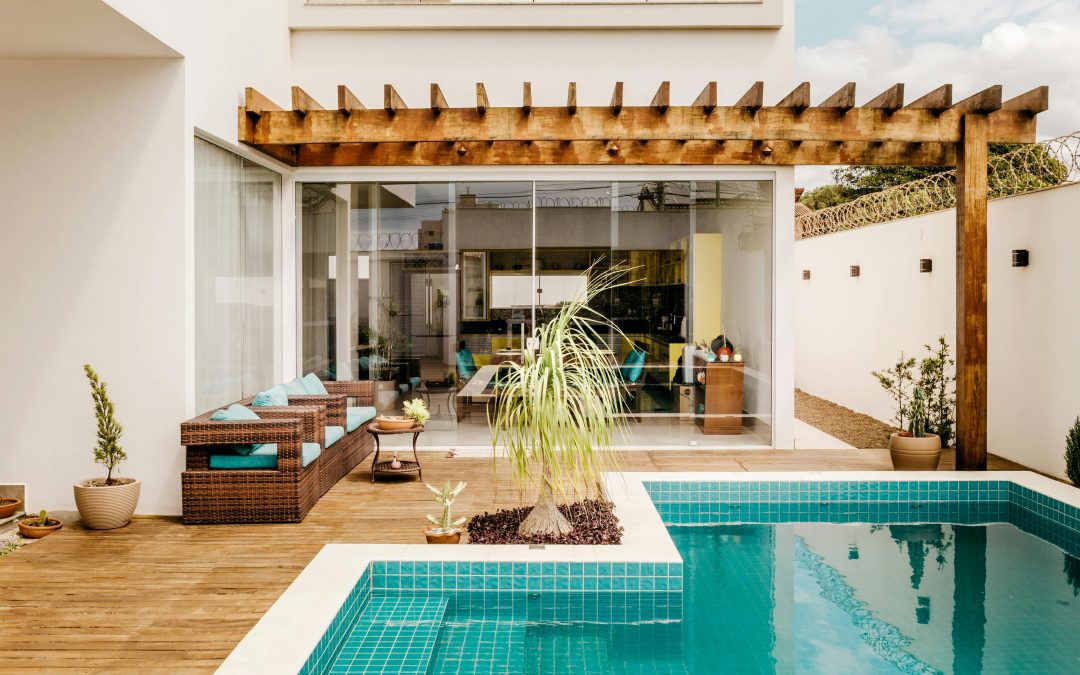
A well-designed pool area can transform your backyard into a relaxing retreat, a lively entertainment space, and a luxurious escape all in one. Whether you want a sleek modern design or a tropical paradise, knowing the best way to design pool areas ensures your space is both beautiful and practical. With the right planning, materials, and features, you can enjoy a pool area that fits your lifestyle and enhances your property.
Assess Your Space and Needs
Before starting any pool design, evaluate your outdoor area carefully:
- Size and shape: Consider the dimensions of your yard and how much space you want for lounging, landscaping, and water features.
- Usage: Decide if your pool is primarily for relaxation, exercise, family fun, or entertaining guests.
- Sunlight and shade: Identify sunny and shaded areas to plan seating, umbrellas, and plantings accordingly.
- Privacy: Consider fencing, hedges, or screens to create a comfortable and secure environment.
Understanding your space and needs is the foundation of the best way to design pool areas that are functional and visually appealing.
Choose the Right Pool Style and Shape
Selecting the right pool style ensures your area matches your preferences and lifestyle:
- Rectangular pools: Ideal for swimming laps and modern aesthetics.
- Freeform pools: Offer a natural, flowing look that complements landscapes.
- Infinity pools: Create a luxurious visual effect and enhance property value.
- Kid-friendly pools: Shallow areas and gradual slopes are safer for children.
Each style has advantages, so choose one that fits your space, budget, and intended use.
Select Durable and Stylish Materials
Materials affect both the look and maintenance of your pool area:
- Decking: Concrete, stone, or pavers provide durability and slip resistance.
- Pool finishes: Options like plaster, pebble, or tile enhance aesthetics and longevity.
- Furniture: Weather-resistant materials such as aluminum, resin, or teak withstand sun and moisture.
- Shade structures: Pergolas, umbrellas, or retractable canopies improve comfort.
Investing in quality materials ensures your pool area remains functional, safe, and beautiful over time.
Incorporate Landscaping and Greenery
Landscaping creates a serene and inviting pool environment:
- Drought-tolerant plants: Reduce maintenance and water usage.
- Vertical gardens or hedges: Provide privacy and natural beauty.
- Accent trees and shrubs: Add texture and shade without obstructing views.
- Planters and decorative pots: Offer flexibility and color throughout the year.
Thoughtful greenery complements the pool area while creating a relaxing outdoor atmosphere.
Add Functional and Entertaining Features
Enhance your pool area with practical and enjoyable features:
- Outdoor seating: Loungers, chairs, and dining sets make the space usable for relaxation and meals.
- Lighting: LED lights, underwater illumination, or landscape lighting create ambiance and improve safety.
- Water features: Fountains, waterfalls, or jets add movement and soothing sounds.
- Outdoor kitchen or bar: Perfect for hosting gatherings without leaving the pool area.
Functional features make the pool area versatile and enjoyable for family and guests.
Prioritize Safety and Accessibility
Safety is a key aspect of pool design, especially for families:
- Non-slip surfaces: Reduce the risk of slips and falls around the pool.
- Fencing and gates: Protect children and pets with secure enclosures.
- Pool covers and alarms: Enhance safety and minimize maintenance needs.
- Accessible design: Consider ramps, handrails, or zero-entry pools for all users.
A safe pool environment ensures peace of mind while enjoying your backyard oasis.
Maintain Low Maintenance Options
Low-maintenance elements save time and keep your pool area looking great:
- Automatic pool cleaners: Reduce manual cleaning and maintain water clarity.
- Efficient filtration systems: Keep water healthy with minimal effort.
- Durable decking materials: Require less frequent repairs or replacement.
- Native or low-maintenance landscaping: Reduces watering and upkeep.
Combining low-maintenance design with functionality ensures long-term enjoyment with minimal effort.
Conclusion
Knowing the best way to design pool areas involves understanding your space, selecting the right pool style, using durable materials, incorporating landscaping, adding functional features, and prioritizing safety. A thoughtfully designed pool area enhances your property’s aesthetics, provides a relaxing retreat, and creates a versatile space for family and friends. By following these tips, you can create a pool area that is stylish, functional, and easy to maintain for years to come.