
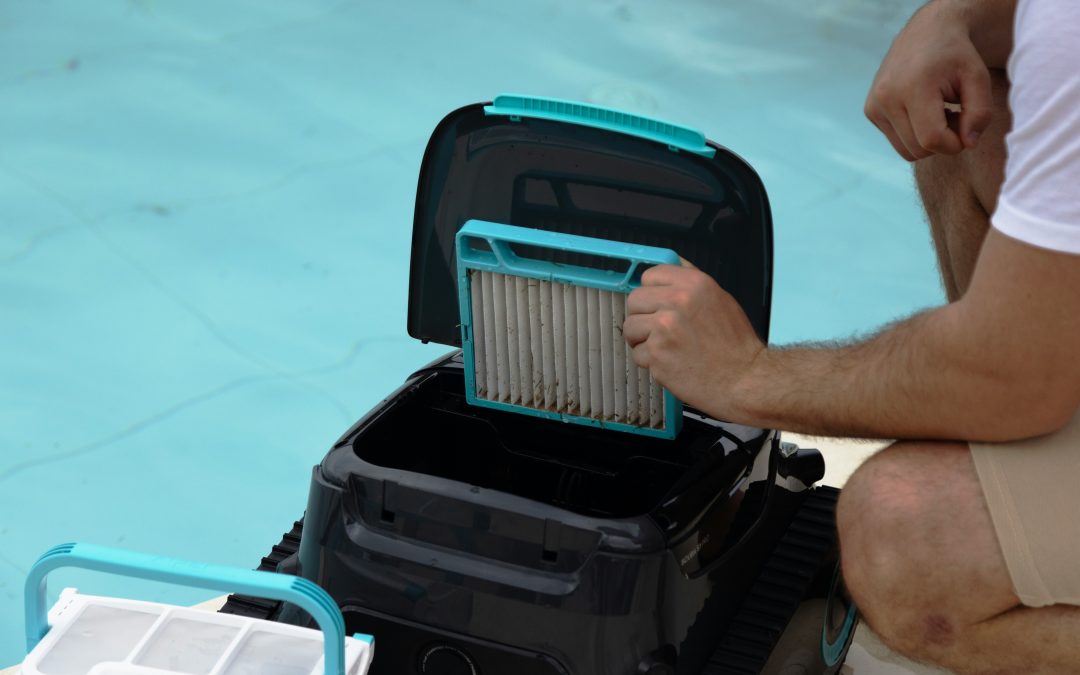
If you own a pool, keeping the water clean and clear is a top priority. One of the most important components in pool maintenance is the filter cartridge. Many pool owners ask, how often to replace pool filter cartridge to ensure optimal performance. Replacing it at the right time keeps your pool sparkling, reduces wear on the pump, and prevents costly repairs. Let’s dive into everything you need to know about pool filter cartridges, their lifespan, and maintenance tips.
What Is a Pool Filter Cartridge?
A pool filter cartridge is a cylindrical device made of pleated fabric that traps dirt, debris, and other contaminants from pool water. It is part of the pool’s filtration system, which circulates water through the filter to remove impurities. Unlike sand or DE filters, cartridge filters offer easy maintenance and superior filtration, capturing smaller particles effectively.
Cartridge filters are popular because they are relatively low-maintenance, energy-efficient, and gentle on pool pumps. However, like any equipment, they wear out over time and need replacement to continue functioning efficiently.
Signs It’s Time to Replace Your Pool Filter Cartridge
Knowing when to replace your cartridge is key to maintaining clean water. Here are some common signs:
- Reduced water flow: If the water pressure drops significantly even after cleaning the cartridge, it may be time for a replacement.
- Visible wear or damage: Tears, cracks, or fraying pleats indicate that the cartridge is no longer effective.
- Frequent cleaning needed: If you find yourself cleaning the cartridge more often than usual and it still doesn’t maintain proper filtration, it has likely reached the end of its lifespan.
- Cloudy pool water: Persistent cloudiness despite proper chemical balance and cleaning can point to a worn-out filter.
By keeping an eye on these signs, you can avoid problems like clogged pumps or poor water circulation.
How Often to Replace Pool Filter Cartridge
The lifespan of a pool filter cartridge depends on several factors, including pool size, usage frequency, water chemistry, and maintenance practices. On average:
- Residential pools: Typically, a filter cartridge lasts 1–2 years with regular cleaning.
- High-use pools or commercial pools: Replacement may be necessary every 6–12 months due to heavier usage and higher debris accumulation.
Experts recommend inspecting the cartridge at least once a month during the swimming season. Regular cleaning can extend the life of the cartridge, but eventually, the fabric pleats degrade and no longer trap debris efficiently.
Tips for Maintaining Your Pool Filter Cartridge
Proper maintenance can help your cartridge last longer and reduce the frequency of replacement. Here are some best practices:
- Regular cleaning: Rinse the cartridge with a hose every 2–6 weeks depending on pool use. Use a nozzle to remove trapped debris thoroughly.
- Deep cleaning: Every 3–6 months, soak the cartridge in a filter cleaner solution to remove oils, lotions, and mineral buildup.
- Check water chemistry: Balanced water prevents mineral deposits and corrosion, which can damage the filter.
- Avoid pressure damage: Do not run the pump without water, and avoid high-pressure washing that can tear the pleats.
- Rotate cartridges if possible: Some pools allow for alternating cartridges to reduce wear and tear on a single unit.
Following these steps can help you get the most out of your pool filter cartridge.
Choosing the Right Replacement Cartridge
When it’s time to replace your cartridge, selecting the correct type is crucial. Check the manufacturer’s specifications for your pool filter, including:
- Size and dimensions: The new cartridge must fit perfectly to ensure proper filtration.
- Material: Look for high-quality pleated polyester or similar materials for durability.
- Micron rating: A lower micron rating traps smaller particles, keeping water clearer.
Using the correct replacement cartridge maintains efficiency and prevents potential damage to your pool pump or filtration system.
The Benefits of Timely Replacement
Replacing your pool filter cartridge on schedule provides several advantages:
- Clearer, healthier water: Efficient filtration keeps debris and bacteria at bay.
- Extended pump life: A worn-out cartridge forces the pump to work harder, reducing its lifespan.
- Cost savings: Regular replacement prevents major repairs caused by clogged or damaged filters.
- Peace of mind: Knowing your pool is properly filtered allows you to enjoy swimming without worry.
Proper maintenance and timely replacement create a safer and more enjoyable pool environment for family and friends.
Final Thoughts
So, how often to replace pool filter cartridge depends on usage, maintenance, and pool conditions. For most residential pools, every 1–2 years is standard, but high-use pools may require more frequent replacements. Regular inspection, cleaning, and proper water chemistry can extend the cartridge’s life and ensure your pool remains sparkling clean.
By following these guidelines, you can protect your pool investment, reduce maintenance headaches, and enjoy crystal-clear water throughout the swimming season. Keeping track of your cartridge replacement schedule is a small step that makes a big difference in pool performance and longevity.