
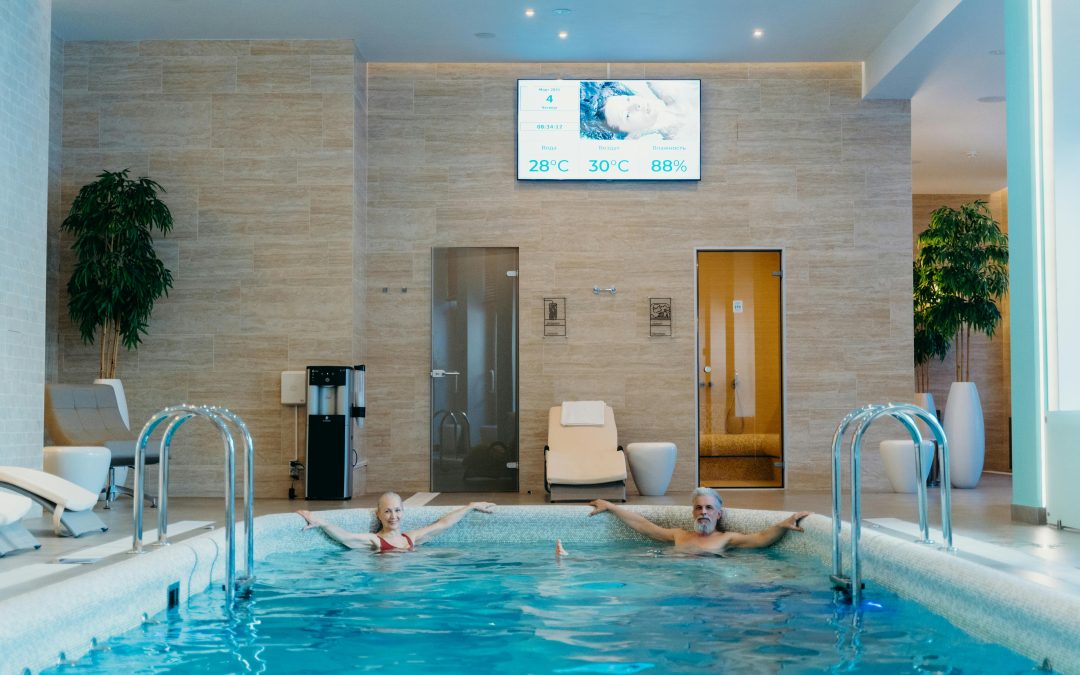
Picture this. It is a warm evening, the water is glowing under soft lights, and you are relaxing in your own spa while the pool shimmers beside it. It feels like something out of a luxury resort.
What most people do not see is the careful planning, engineering, and step by step work that made it possible. If you have ever wondered how pool spa construction works, you are not alone. Building a pool and spa is not just about digging a hole and filling it with water. It is a coordinated construction process that blends design, plumbing, electrical systems, and structural engineering.
Let’s walk through it in a clear and practical way so you understand what really happens behind the scenes.
The Planning and Design Phase
Every successful pool and spa project begins with detailed planning.
This stage includes:
- Site evaluation
- Soil testing
- Local permit approval
- Design layout
- Budget planning
Contractors evaluate the slope of your yard, drainage patterns, and access points for equipment. They also check zoning regulations and setback requirements. Most municipalities require building permits and inspections before construction begins.
Design is where creativity meets practicality. Homeowners choose the shape, depth, finishes, and spa features such as jets or waterfalls. Modern design software often allows 3D renderings so you can visualize the final result before construction starts.
According to the Pool and Hot Tub Alliance, there are over 10 million residential swimming pools in the United States. That number reflects how common these projects have become, but each one still requires careful planning.
Understanding how pool spa construction works starts with knowing that design decisions affect every later step.
Excavation and Site Preparation
Once permits are approved and the design is finalized, excavation begins.
Heavy equipment removes soil to create the pool and spa shape. The depth is measured carefully to match the approved plan. This stage can look dramatic because your yard temporarily becomes a construction site.
After digging, the ground is compacted and shaped. In some cases, gravel or a base layer is added to improve stability.
Soil type matters here. Sandy soil behaves differently than clay, so builders adjust techniques accordingly. Proper preparation prevents shifting or cracking in the future.
This is a key structural step in how pool spa construction works because everything else depends on a stable foundation.
Structural Framework and Reinforcement
After excavation, a steel framework is installed. Rebar is placed in a grid pattern along the walls and floor of the pool and spa.
This steel reinforcement strengthens the structure and helps it withstand water pressure and soil movement. Pools hold thousands of gallons of water, so structural integrity is critical.
For concrete pools, a process called shotcrete or gunite is often used. In this method, concrete is sprayed at high pressure over the steel framework. It hardens into a solid shell that forms the main body of the pool and spa.
The shell is left to cure properly before moving forward. Rushing this step can weaken the structure.
This structural phase explains a big part of how pool spa construction works. It is engineering as much as it is design.
Plumbing and Electrical Systems
Before finishes are added, plumbing and electrical systems are installed.
Plumbing lines circulate water between the pool, spa, pump, filter, and heater. Separate plumbing systems allow the spa to heat more quickly than the larger pool.
Electrical systems power:
- Pumps
- Heaters
- Lighting
- Spa jets
- Automation systems
Safety is extremely important during this phase. Licensed electricians install bonding and grounding systems to reduce electrical risks. Inspections often take place before the next stage begins.
Modern pools frequently include automation systems that allow you to control temperature, lighting, and cleaning cycles from a smartphone.
So when people ask how pool spa construction works, it is important to remember that much of the complexity lies beneath the surface.
Waterproofing and Interior Finishes
After plumbing and electrical systems pass inspection, the interior finish is applied.
Common finish options include:
- Plaster
- Pebble finishes
- Quartz blends
- Tile accents
The finish creates a waterproof seal and determines the pool’s final color and texture.
For spas, tile is often used along the waterline and around seating areas. This adds durability and visual appeal.
The choice of finish affects maintenance and longevity. Some materials resist staining better than others, while certain textures feel smoother underfoot.
This step transforms the pool from a construction shell into something that actually looks like a finished water feature.
Decking and Surrounding Features
While the pool interior cures, crews typically install decking and surrounding landscaping.
Deck materials may include:
- Concrete
- Pavers
- Natural stone
- Composite materials
Proper drainage is built into the deck design to direct water away from the house. Expansion joints are added to prevent cracking due to temperature changes.
Additional features such as waterfalls, fire bowls, or outdoor kitchens may also be constructed at this stage.
These surrounding elements complete the visual experience and improve functionality.
Filling, Balancing, and Final Inspection
Once construction is complete, the pool and spa are filled with water.
At this point, technicians test and balance the water chemistry. This includes adjusting:
- pH levels
- Chlorine or sanitizer levels
- Alkalinity
- Calcium hardness
The Centers for Disease Control and Prevention emphasizes proper chemical balance to prevent harmful bacteria and ensure safe swimming conditions.
After balancing, final inspections are conducted to confirm compliance with local codes.
Homeowners are typically given instructions on maintenance, including how to clean filters, test water, and operate the system.
This final phase marks the completion of the construction process.
How Long Does Pool Spa Construction Take?
The timeline varies depending on design complexity, weather conditions, and permitting processes.
On average, a concrete pool and spa project may take several weeks to a few months from start to finish. Fiberglass or vinyl liner pools can sometimes be installed more quickly, though each type has its own construction requirements.
Delays can occur due to inspections or material availability, so flexibility is important.
Why Professional Construction Matters
Pool and spa construction involves excavation, structural engineering, plumbing, electrical work, and waterproofing. Each phase must be completed correctly to prevent long term problems.
Improper installation can lead to:
- Cracks in the shell
- Plumbing leaks
- Electrical hazards
- Poor drainage
Licensed professionals follow building codes and industry standards to reduce these risks.
When you truly understand how pool spa construction works, you realize it is a carefully managed project rather than a simple backyard upgrade.
Final Thoughts on How Pool Spa Construction Works
At its core, how pool spa construction works is a structured, multi stage process.
It begins with planning and permits. Excavation creates the foundation. Steel reinforcement and concrete form the structural shell. Plumbing and electrical systems bring functionality. Finishes and decking add beauty and durability. Finally, water balancing and inspections ensure safety.
What looks like a relaxing backyard retreat is actually the result of engineering, coordination, and skilled craftsmanship.
If you are considering building one, knowing how the process works helps you ask better questions, plan realistically, and appreciate the expertise involved.
A pool and spa may feel like luxury, but behind that luxury is a solid system built to last.