
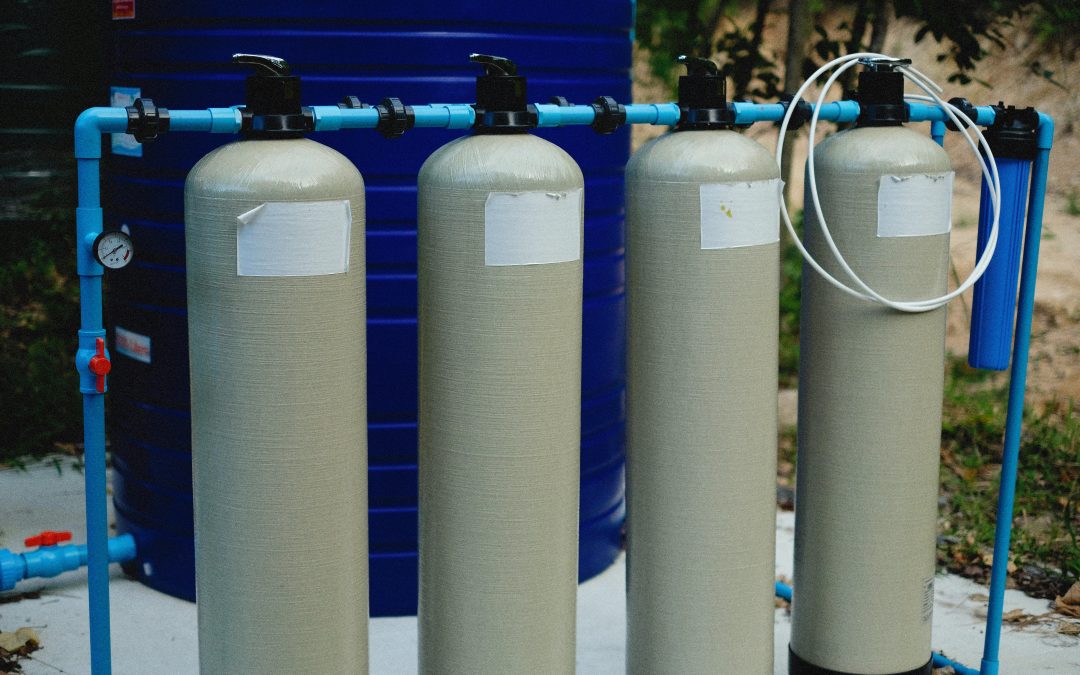
A sparkling clean pool is the centerpiece of any backyard oasis, but achieving that requires more than just adding chemicals. A quality filtration system is essential for removing debris, bacteria, and algae while keeping the water safe and inviting. Understanding how to choose the right pool filtration system ensures you get a solution that meets your pool’s size, usage, and maintenance needs. According to the Pool & Hot Tub Alliance, proper filtration can reduce chemical use by up to 50 percent, which shows how crucial a good system is for both health and efficiency.
Why a Filtration System Matters
A pool filtration system is the backbone of water maintenance. It removes dirt, leaves, hair, and microscopic particles, preventing cloudy water and algae growth. Without a proper filtration system, even the cleanest water treatments will struggle to maintain clarity. Knowing how to choose the right pool filtration system helps you ensure your pool stays clean and healthy with minimal effort.
Understand the Main Types of Filtration Systems
There are three primary types of pool filters, each with its advantages:
Sand Filters
Sand filters use a bed of special pool sand to trap particles. They are easy to maintain and durable.
Benefits include:
- Affordable initial cost
- Simple operation
- Long lifespan for residential pools
Sand filters are great for larger pools and homeowners looking for low-maintenance solutions.
Cartridge Filters
Cartridge filters use pleated cartridges to capture debris. They are efficient and provide excellent water clarity.
Advantages include:
- Requires less backwashing than sand filters
- Captures smaller particles effectively
- Easy to replace cartridges
Cartridge filters are ideal for medium-sized pools and families that want clear, sparkling water without constant upkeep.
DE (Diatomaceous Earth) Filters
DE filters use a powder coating on grids to trap microscopic particles. They offer the highest level of filtration.
Pros include:
- Exceptional water clarity
- Captures very fine debris
- Reduces chemical usage due to efficient filtration
DE filters are perfect for pool owners seeking the cleanest water possible and do not mind slightly higher maintenance.
Consider Pool Size and Flow Rate
When learning how to choose the right pool filtration system, pool size is a critical factor. Filters are rated by flow rate and turnover, which is how long it takes to circulate all the water in your pool. A filter that is too small will struggle to keep up, while an oversized filter may be inefficient. As a rule of thumb:
- Small pools (under 10,000 gallons): Cartridge or small sand filters work well
- Medium pools (10,000–25,000 gallons): DE or larger cartridge filters are ideal
- Large pools (over 25,000 gallons): High-capacity sand or DE filters provide efficient cleaning
Energy Efficiency and Operating Costs
Filtration systems run for several hours a day, so energy efficiency impacts your utility bills. Look for filters with energy-efficient pumps or variable-speed options. Lower operating costs mean your pool remains clean without excessive electricity expenses.
Maintenance Requirements
Every filtration system requires maintenance, but the frequency and complexity differ:
- Sand filters: Backwash every few weeks
- Cartridge filters: Clean cartridges every 4–6 weeks
- DE filters: Backwash and recharge DE powder monthly
Choosing a system that matches your willingness to maintain it ensures consistent water quality and prevents costly repairs.
Additional Features to Consider
Modern pool filtration systems offer extra features for convenience and performance:
- Built-in timers and automated backwash options
- Saltwater compatibility
- Compact designs for limited space
- Quiet operation for backyard enjoyment
These enhancements make your pool experience easier and more enjoyable while maintaining crystal-clear water.
Expert Advice and Professional Installation
Consulting with a pool professional can help determine the best filter type and size for your specific pool. Proper installation ensures the system operates efficiently and extends its lifespan. Professionals can also provide guidance on water chemistry, flow rates, and long-term maintenance.
Final Thoughts: Clean Water Starts with the Right Filter
Choosing the right filtration system is a key step in creating a safe, inviting pool. From sand to cartridge to DE filters, understanding your pool’s size, usage, and maintenance preferences ensures the best performance. By following tips on how to choose the right pool filtration system, you can enjoy sparkling water, reduced chemical use, and stress-free pool ownership all season long.