
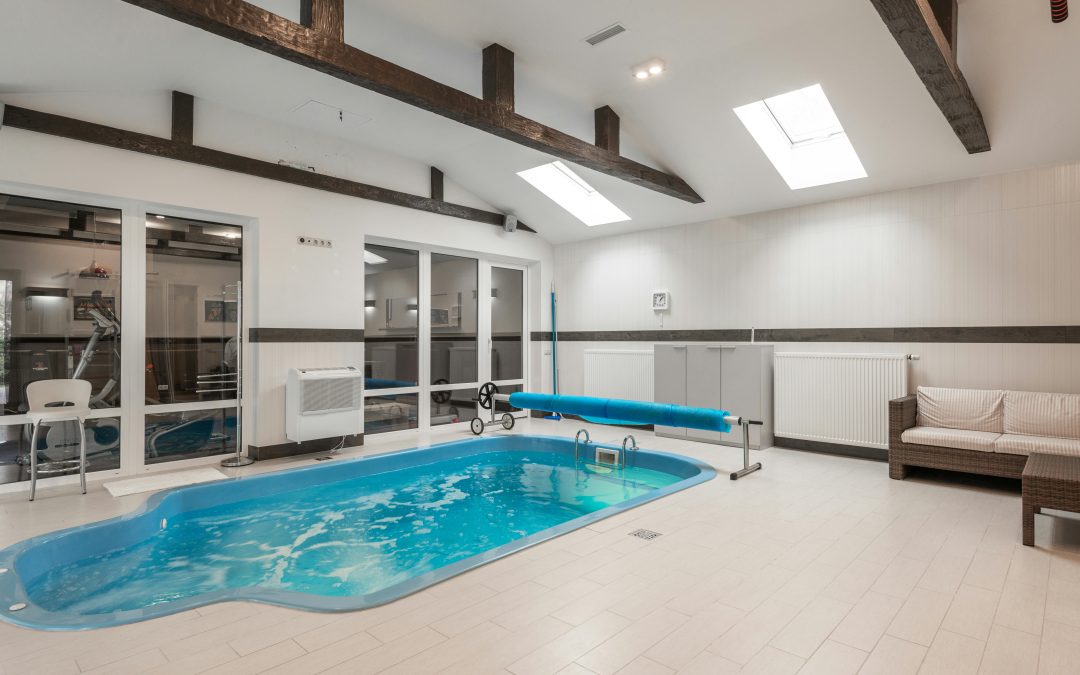
If you own a swimming pool, you already know it’s more than just a backyard luxury—it’s a commitment. And while it might seem like a lot to manage, the good news is that keeping your pool clean, safe, and running smoothly doesn’t have to be overwhelming. With a few smart habits and the right pool maintenance tips, you can avoid big repairs, extend the life of your equipment, and enjoy more swim time with less stress.
Let’s dive into some pool care strategies that actually make your life easier.
Why Pool Maintenance Matters More Than You Think
Ignoring regular pool upkeep doesn’t just lead to cloudy water or green slime—it can affect your health. According to the CDC, poorly maintained pools can harbor harmful bacteria like E. coli and Cryptosporidium, which are resistant to chlorine and can make swimmers sick.
So yes, that sparkling pool water is more than eye candy—it’s a sign you’re doing things right.
1. Skim Daily, Brush Weekly
Leaves, bugs, and other debris don’t just make your pool look dirty—they can clog filters and affect water balance.
- Skim the surface daily using a hand or leaf skimmer.
- Brush the walls and tiles at least once a week to prevent algae buildup and calcium deposits.
Even if your pool looks clean, brushing is one of those invisible chores that really pays off.
2. Keep an Eye on Water Level
It might sound basic, but your water level can drop quickly due to heat, evaporation, or splash-out. Low water levels can damage the pump and lead to costly repairs.
Pro tip: The water should always be at the halfway mark of your skimmer opening. If it drops, top it off with a garden hose.
3. Test Water Chemistry—And Actually Act on It
Testing is only half the job. You’ve got to do something with those results.
Use a test kit or strips 2–3 times per week to check:
- pH (ideal: 7.4–7.6)
- Chlorine (1.0–3.0 ppm)
- Alkalinity (80–120 ppm)
- Calcium hardness (200–400 ppm)
Balancing these levels prevents corrosion, scaling, and bacteria growth. If you’re not sure how to adjust them, most local pool stores will test your water for free and give product recommendations.
4. Shock Your Pool (But Don’t Overdo It)
“Shocking” sounds dramatic, but it’s basically just a deep clean. When organic contaminants like sunscreen, sweat, and algae start to build up, regular chlorine might not be enough.
Shock your pool:
- After a heavy rain
- After a big pool party
- If the water turns cloudy or green
Use a chlorine-based shock or a non-chlorine oxidizer, depending on your needs.
5. Clean Your Filter—It’s Doing More Than You Think
Whether you use a cartridge, sand, or DE (diatomaceous earth) filter, it needs regular cleaning to work efficiently.
- Cartridge: Clean every 2–4 weeks with a hose or filter cleaner.
- Sand: Backwash every 1–2 weeks or when pressure rises 8–10 psi above normal.
- DE: Backwash and recharge with new DE powder monthly.
A dirty filter makes your pump work harder and your water murkier.
6. Run Your Pump Daily
Here’s a good rule of thumb: run your pool pump one hour for every 10 degrees of outside temperature (e.g., 90°F = 9 hours). Proper circulation helps distribute chemicals and keeps debris from settling.
Bonus: Use a timer to save on energy bills while keeping your circulation consistent.
7. Cover It Up When Not in Use
A pool cover is your unsung hero. It:
- Prevents evaporation (you’ll use less water)
- Keeps out leaves and dirt
- Helps retain heat
Solar covers even warm the water naturally, saving you money on heating costs.
8. Don’t Forget the Pool Deck
Cleaning your pool deck regularly helps prevent dirt from being dragged into the water. A power washer and mild detergent can go a long way, especially during pollen-heavy months or after storms.
9. Check for Leaks (Don’t Ignore Those Drops)
Think your pool’s just evaporating? Try the bucket test:
- Fill a bucket with pool water and place it on a step (weigh it down if needed).
- Mark the water level inside and outside the bucket.
- Wait 24 hours.
If the pool water level drops more than the bucket’s, you might have a leak—and it’s worth calling a pro.
10. Schedule a Professional Tune-Up
Even with all the right DIY pool maintenance tips, there’s value in having a professional take a look once a season. They’ll spot problems early, ensure your system is working efficiently, and can make recommendations specific to your setup.
Think of it like getting your car serviced—it’s cheaper than waiting for a breakdown.
Final Thoughts: Keep It Simple, Keep It Safe
Pool maintenance doesn’t have to be a full-time job. By following these practical pool maintenance tips, you’ll keep your backyard oasis clean, safe, and ready to enjoy. A little consistency goes a long way—and your future self (and guests) will thank you for it.